

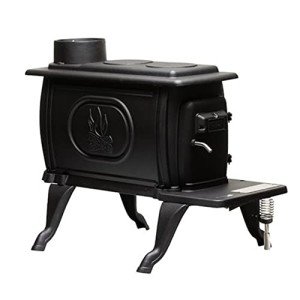
small wood burning stove Fireplaces And Stove of a Woodburner Stove
Wood stoves produce fire and heat through constant airflow. The fresh air is dragged in through adjustable dampers, which are usually located inside the door of the stove. Exhaust gases are then dragged up an chimney, leaving your home.
Modern wood stoves that do not have catalytic technology rely on secondary combustion for their effectiveness. They will accumulate creosote, but only when they are not properly used.
Energy Efficiency
Modern woodburner stoves are designed to maximize heating efficiency. The combustion process has been optimized to burn firewood as efficiently as possible. This means that more fuel is converted into heat and less is wasted as gasses that are not burned or smoke.
The most important factor to consider when choosing a woodburner stove is the heating output, which is measured in BTU per hour. This figure gives an idea of the amount of heat that the stove can produce. It's typically an accurate indicator of its capability to provide a comfortable heat source for your home.
When comparing wood stoves, it's also worth looking at the efficiency of combustion as well as heating transfer efficiency. The efficiency of combustion is an indication of the amount of fuel converted into heat. The heating transfer efficiency is an indicator of how well your stove can convert this heat to warm the air in your home.
Stoves that use catalytic combustor may achieve extremely high levels of combustion efficiency due to the fact that the combustor capable of re-burning a portion of the gases that are released from the initial combustion process. This helps clean the exhaust gases and reduces the amount of flammable chimney deposits called creosote. Modern non-catalytic stoves can still be extremely efficient, but they tend to burn a little hotter and have lower efficiency at low temperatures.
It is crucial to keep in mind that the energy efficiency a stove can achieve depends on the condition and quality of the fuel it utilizes. It is more beneficial to make use of dry and seasoned wood rather than green wood which has more moisture. It is recommended to select a stove which is designed specifically for logs because burning other types of combustibles can cause problems with the combustion process and lead to excessive emissions, or even chimney fires.
Always make sure your stove is properly insulated and that the windows and doors are tightly shut when not in use. It's a good idea have the flue vent professionally cleaned on a regular basis, too. You should also regularly check and clean the stove's interior and it's recommended you clean the chimney every couple of weeks.
Clean Burning
When used correctly, a wood burner is the most environmentally friendly fuel option. It's a renewable resource and generally carbon neutral (the carbon dioxide given off during combustion is equal to the amount of carbon dioxide absorbed during the tree's lifetime).
You'll also be able to avoid relying on large energy companies which are subject to price increases or worse, have monopolies over certain areas. This leaves you vulnerable to their prices. In addition, you'll be in a position to monitor the amount of wood you have in your stove and buy it as you need it.
A lot of new stoves that burn logs such as the Stovax range of stoves use a superior system of combustion that has been designed to ensure maximum heat efficiency and clear burning. The triple air system provides the fire with air in two distinct stages, allowing for quicker ignition of the top layer of logs as well as a more controlled flame picture. It also increases the efficiency of the thermal system and reduces emission.
To get the most clean burn of the woodburner, make sure to use dried and kiln-fired logs that have been stacked for a time before being used. They have a lower content of water and require less energy to move. If you stack your logs correctly and ensure that they are properly seasoned, you can attain an efficiency of up to 80%.
Wood smoke is a source of harmful pollutants including fine particle pollution and volatile organic compounds, nitrogen oxides and benzene that can all contribute to breathing issues. These pollutants are linked to heart and respiratory diseases. The good news is that modern log burners are a lot more efficient than their predecessors of the past. They, when combined with a suitable air quality monitor, they can reduce the harmful gases to near-zero levels.
It is important to note that if you reside in an area that is a Smoke Control Area and you live in a Smoke Control Area, it is crucial to consult the local authority before purchasing any stove, as you may need to get a Defra approved stove in order legally use it. Defra approved stoves are certified to function under the Clean Air Act which makes it illegal to emit smoke from chimneys in certain areas.
Low Carbon
Wood stoves offer an environmentally friendly alternative to heating with fossil fuels. They aid in reducing carbon emissions which are the main cause of global climate change. Modern, energy-efficient wood stoves emit significantly less greenhouse gases and particulates compared to older stoves using wood. They can also be used to heat the home and cook.
The key to obtaining the most eco-friendly use from your wood burning stove is to make sure that the wood are dry before you burn them. It can take some time to dry wood, but it's well worth the effort. If you have the space to construct a log store, and manage to keep your logs dry you could save money on heating costs and also benefit from Government support through the Renewable Heat Incentive.
A woodburner stove can help you save money on your household's energy bills. It is important to keep in mind that this isn't your primary source of heating, but rather an additional source. It is best to use it only when you really need to, and ensure that your stove is high-efficiency with low emissions.
If you decide to use an wood burning stove that has been certified by the EPA you can be certain that it meets the standards for low emissions to protect your health and the environment. One method to determine if you have an certified wood burning stove by the EPA is to check the tag that is made of metal and then look through the owner's manual or refer to the EPA's list for certified wood stoves.
A wood-burning stove that's EPA certified will also help preserve forests and habitats as well as biodiversity. Forests play a crucial function in regulating earth's climate, and when they are managed sustainably they are able to absorb carbon dioxide that is released when wood is burned. Using eco-friendly stoves that only burn locally-sourced, sustainably harvested wood can also be an economic incentive to sustain forest management practices. This approach embodies the principles of the circular economy, and ensures that forests are valued for their environmental benefits, as well as the supply of timber.
Safety
Wood stoves give a lovely cozy and warm atmosphere to a room and can be a focal place for families and friends to gather together. They can also release harmful gases, particularly if they are not utilized correctly or the logs are not of good quality. Additionally, they may cause smokey conditions that impact the quality of indoor air.
To reduce the strain on your lungs and to ensure you have a safe, clean burning stove, it is vital that you follow these easy guidelines to use. These include using only properly dried, seasoned and dried hardwood and frequently checking the stove to ensure that all logs are combustible. Additionally, it is always an excellent idea to use hearth pads designed to endure the constant heat of the stove and also protecting your wood flooring from fire damage.
Another point is to never use lighter fluid. It is a hazardous substance that is only suitable to start a fire in an open fire, not an enclosed wood burner. The use of this substance could result in the wood burning at a faster rate, which could result in the formation of volatile compounds which, if inhaled, can cause harm to your health.
Keep children and pets away from the wood stove when in use. Use a hearth mat that can be placed underneath your stove to stop embers from falling on the floor and creating damage. Installing smoke and carbon dioxide detectors is also recommended.
Additionally it is recommended that you inspect your chimney at minimum once per heating season to ensure it is functioning correctly. A certified professional can inspect the chimney to ensure that there isn't any creosote accumulation and that it is not leaky.
A modern wood-burning stove that has integrated automation and monitoring, such as MF Fire's Catalyst, an intelligent wood stove, can be a great choice for those looking for a high-performance, efficient, yet environmentally sustainable method to heat their home. This type of stove eliminates many of the issues that are associated with older stoves by automatically regulating the fire to ensure that it is burning at an appropriate level and avoiding overfiring, which can result in the fire churning out more smoke, which pollutes your lungs and causes harm to your chimney.